
News
Sinarmas Subsidiary Partners with Korean Firm for USD 310 Million Data Center in Jakarta
14 Mar 2025
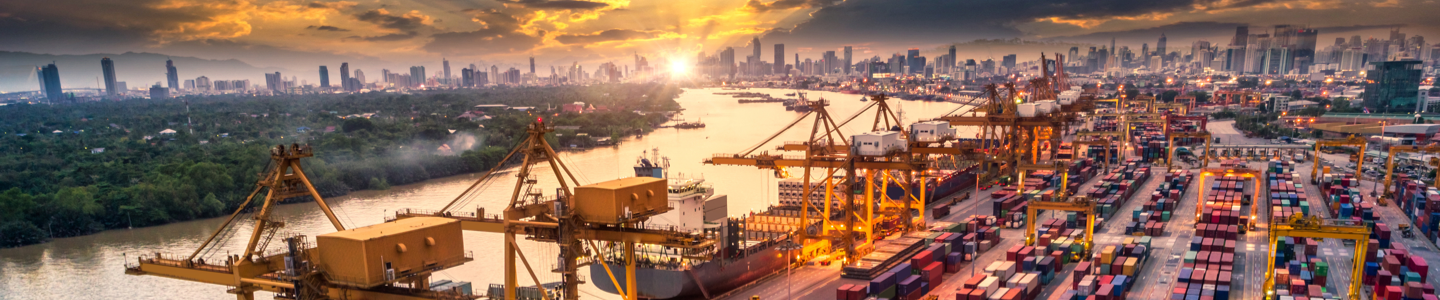
Sinarmas subsidiary SM+ has partnered with Korea Investment Real Asset Management (KIRA) to build a major data center in Jakarta, investing over Rp 4.89 trillion ($310 million). The SMX01 data center, set to be operational in the second half of 2026, aims to become a key internet exchange hub in Indonesia.
SM+ operates 25 data centers with a total IT load capacity of 40 MW. It also collaborates with LG CNS for IT and data center operations. The new facility will be AI-ready, future-proof, and incorporate advanced cooling technologies like liquid cooling.
Source : https://www.thejakartapost.com/business/2025/03/06/sinarmas-korean-investor-kickstart-300m-data-center-project-eye-completion-in-h2-2026.html
COSCO Shipping Names China’s First Large Methanol-Fueled Containership
03 Mar 2025
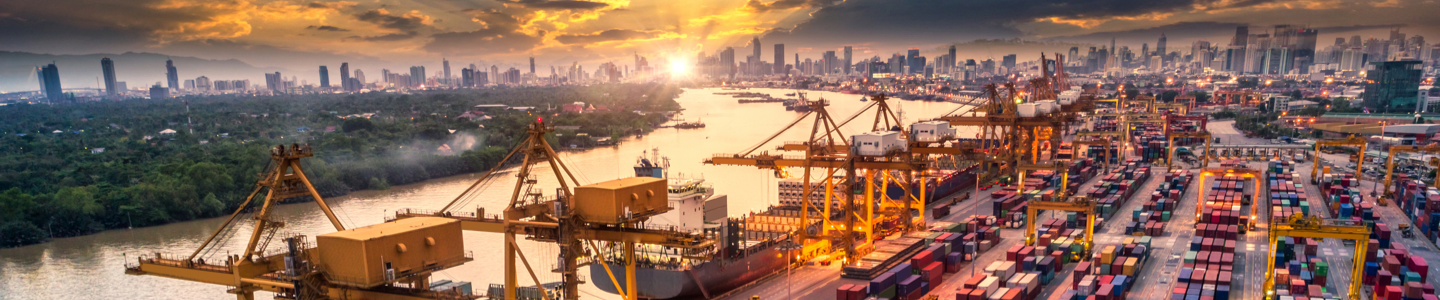
COSCO Shipping has named its first methanol dual-fuel containership, following Maersk as the second shipping line to deploy large-capacity methanol-powered vessels. The ceremony in Yangzhou, China, marked the ninth anniversary of COSCO Shipping’s reorganization and highlighted its push for cleaner fuel alternatives in global shipping.
The vessel's development involved overcoming 163 technical challenges, leading to 31 invention patents for methanol energy technology. COSCO Shipping Heavy Industry in Yangzhou pioneered solutions for metha- nol-specialized coatings, structural modifications, and a fuel management system, reinforcing China’s commitment to sustainable shipping.
Equipped with China’s first domestic WinGD methanol dual-fuel main engine, dual-fuel generators, and an Alfa Laval methanol boiler, the new ships integrate intelligent systems for optimized energy use.
The lead vessel, *COSCO Shipping Yangpu*, will be the first methanol-fueled containership on a transpacific route, capable of a one-way voyage from the Far East to the U.S. West Coast entirely on methanol. The second vessel, *COSCO Shipping Carnation*, was floated in December 2024, as COSCO continues expanding its methanol fleet.
With an initial 2022 order for twelve 24,000 TEU methanol ships followed by a 2023 order for four 16,000 TEU vessels, COSCO has now committed to 28 methanol-powered containerships. This signals its strategic shift toward greener shipping while reinforcing its position as a leader in the global maritime industry.
Source : https://maritime-executive.com/article/cosco-shipping-names-china-s-first-large-methanol-fueled-containership
Indonesia to Build 958 Kilometers of Giant Sea Wall from Banten to Gresik
03 Mar 2025
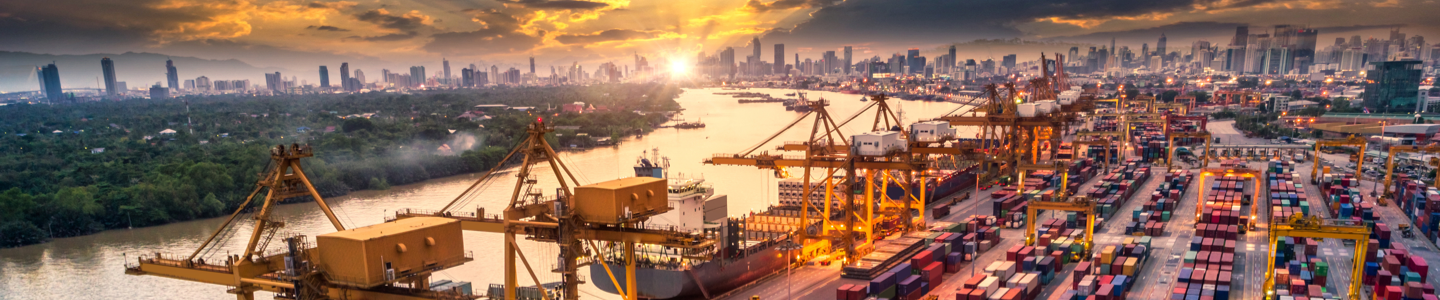
The sea wall, planned to stretch 958 kilometers from Cilegon to Gresik, builds on prior efforts, including a 43-kilometer trial segment from Tangerang to Bekasi, developed with South Korean and Dutch support.
Indonesia’s cooperation with South Korea and the Netherlands on sea wall development dates back to 2016, when a trilateral agreement was established to formulate a comprehensive coastal protection strategy. This led to the creation of the Project Management Unit NCICD in 2017 and the Integrated Flood Safety Plan (IFSP) in 2020, focusing on flood control, clean water provision, and improved coastal sanitation.
Source : https://finance.detik.com/infrastruktur/d-7795644/prabowo-tugaskan-ahy-bangun-giant-sea-wall-banten-gresik-uangnya-siap

Indonesian nickel producer to build USD 1.8 billion plant
03 Mar 2025
An Indonesian nickel producer has announced plans for a US$1.8 billion plant as Southeast Asia’s biggest economy tries to boost domestic processing and refining capacity of the material, key to electric vehicles (EVs). Indonesia has the world’s largest reserves of nickel, but plays a comparatively small role in the refining process, something the government is trying to change.
Source : https://www.freemalaysiatoday.com/category/business/2025/02/26/indonesian-nickel-producer-to-build-us1-8bil-plant/
Vietnam's Economic Resilience Shines Bright Amid Challenges in 2024
02 Mar 2025
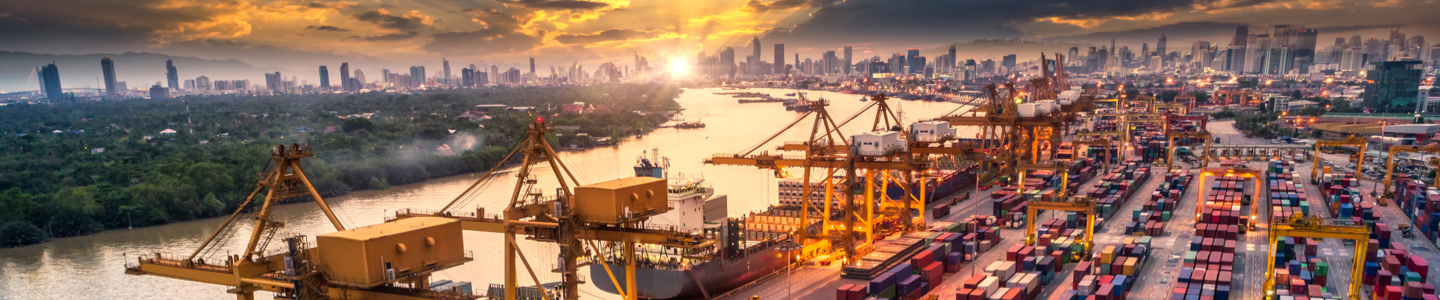
Vietnam's economy exhibited remarkable resilience in 2024, achieving 7.09% GDP growth despite Typhoon Yagi's disruptions. The services sector, contributing 49.46% to growth, led the recovery, supported by robust trade, agriculture, and industrial sectors. Trade reached $786.29 billion, with a $24.77 billion surplus, while FDI inflows exceeded $38 billion. Inflation remained controlled at 3.63%, reflecting sound economic policies.
Typhoon Yagi inflicted $1.77 billion in losses, impacting agriculture and tourism. However, reconstruction efforts spurred growth in construction, retail, and logistics. Exports soared by 14.3%, led by agricultural products like rice and coffee, while ASEAN trade surged 13.9%. Singapore remained Vietnam's top FDI contributor, with $10.2 billion invested, fueling manufacturing and real estate.
Sectoral advancements underscored Vietnam's adaptability, with agriculture achieving $62.4 billion in exports, a 18.5% growth. Monthly export turnover averaged $30 billion, outpacing regional peers. Per capita GDP rose to $4,700, reaffirming Vietnam's position as a regional economic leader.
Looking ahead, Vietnam's economic outlook remains promising, with projected annual growth averaging 5.8% until 2029. With increasing investor confidence and efficient governance, the nation is poised for sustained progress in 2025 and beyond.
Vietnam's performance underscores its position as a dynamic, rapidly growing economy, setting a benchmark for resilience and adaptability in Southeast Asia.
Source : https://www.vietnam-briefing.com/news/vietnams-economic-performance-2024-gdp-trade-fdi.html/

Indonesia Economic Growth and Investment Opportunities
02 Mar 2025
Indonesia has emerged as a key economic force in Southeast Asia, leveraging its abundant natural resources, geo-economic advantages, and strategic location in the global trade network. With significant reserves of fossil fuels, minerals, and metals essential for high-tech industries, Indonesia has attracted increasing attention from global powers such as China, the US, Japan, and South Korea.
Central to this growth is the importance of Indonesia's maritime geography, particularly the Strait of Malacca, a global chokepoint for energy and goods. The region handles 30% of global trade and a significant share of oil and natural gas shipments. The increasing demand from Asia’s major economies has driven investment in Indonesia’s energy, mining, and industrial sectors, further boosting its strategic significance.
To capitalize on these opportunities, Indonesia has established Special Economic Zones (SEZs) and implemented the Global Maritime Fulcrum (GMF) doctrine. These initiatives focus on infrastructure development, streamlined regulations, and tax incentives to attract foreign direct investment (FDI).
Source : https://www.specialeurasia.com/2025/01/13/indonesia-economy-investment/

As Trump’s shadow looms, Southeast Asian economies face ‘hard challenges’ in 2025
15 Jan 2025
Malaysia and Indonesia face domestic challenges, trade fragmentation, and geopolitical tensions as they aim to achieve their 2025 economic targets. Malaysia's Prime Minister Anwar Ibrahim has implemented a higher minimum wage and mandated retirement contributions for foreign workers to boost private consumption and economic growth. However, these measures have drawn criticism from SMEs, which account for 38% of the GDP, as higher costs could strain smaller enterprises.
External threats compound the pressure. A potential return of Donald Trump's administration threatens Malaysia with higher tariffs on Chinese imports and Southeast Asian goods, disrupting supply chains and trade. Malaysia, heavily reliant on trade with both China and the U.S., must navigate these uncertainties, especially in key sectors like semiconductors and healthcare.
Economists stress the importance of diversifying Malaysia's trade partnerships while strengthening policies to attract foreign direct investment. Streamlining regulatory processes and enhancing transparency could solidify Malaysia’s position in the global semiconductor supply chain, mitigating trade risks.
While trade and investment diversions during past U.S.-China trade disputes have benefited Malaysia, future tariff escalations could destabilize growth. Experts recommend government agility in addressing potential disruptions, including assistance to affected industries and compliance with shifting trade demands.
Amid volatile global conditions shaped by ongoing conflicts and economic protectionism, Malaysia's strategy in responding to destabilizing international trends will be critical to maintaining growth in 2025.
Source : https://www.channelnewsasia.com/asia/malaysia-indonesia-trump-tariff-trade-growth-gdp-4822801?cid=internal_sharetool_iphone_04012025_cna

China’s Xpeng to Enter Indonesian EV Market This Year
15 Jan 2025
Chinese automaker Xpeng is set to make a debut in the Indonesian market this year as the Southeast Asian country tries to boost its electric vehicle (EV) adoption. Indonesia aims to have 2 million electric cars on its roads by 2030. The archipelagic country also wants to set up 31,000 charging stations by the same year. Indonesia’s EV market today already has some international players, including China’s Wuling and South Korea’s Hyundai.
Source : https://jakartaglobe.id/business/chinas-xpeng-to-enter-indonesian-ev-market-this-year